A manufacturer is growing its own D2C channel
The platform has to bring together the offer, the brand's communication, order handling and data from the systems the company already runs.




Aurora Creation designs, builds and grows e‑commerce platforms for manufacturers and private-label brands. We work with Magento 2, Shopify and Pimcore, matching the technology to the sales model, the integrations and the company's growth plans.
We support D2C, B2C and B2B sales, multistore projects, expansion into new markets and platforms connected to ERP, PIM, WMS, CRM and marketplace systems.
Aurora Creation Sp. z o.o. is a technology company based in Białystok, Poland, focused on e‑commerce for manufacturers and private-label brands.
The scope covers new implementations, migrations, growing existing platforms, taking over projects, maintenance, audits and integrations with business systems.
The starting point is the client's sales model. A brand growing a single D2C channel needs a different architecture than a manufacturer combining retail with trade customers, branches and several markets.
Prices may come from an ERP, descriptions from a PIM, stock from a WMS, and orders may arrive from several markets and channels. A platform decision then affects e‑commerce, sales, logistics, marketing and IT alike.
The platform has to bring together the offer, the brand's communication, order handling and data from the systems the company already runs.
Separate price lists, user roles, commercial terms and order processes have to sit in an architecture the team is able to maintain.
New languages, domains, currencies, taxes, payment methods, delivery options and local sales requirements all come into play.
The cause may be the code, the architecture, the integrations, the data, performance or an unclear split of responsibilities. Any decision about further work should follow a review of the project's actual state.
Aurora Creation is not defined by a single platform. Each of the three technologies answers for a different part of the sales architecture.
A company may need a new implementation, a migration, an audit, a takeover of an existing project or simply a tidier maintenance arrangement. The starting point follows from the state of the current technology and the sales plans.
A review of the sales model, UX, technology, performance, accessibility or readiness for implementation.
Agreeing the features, the data, the integrations, the processes and the split of responsibilities.
Building the new platform, or moving sales off the current solution.
Connecting the store to the systems used by sales, logistics, marketing and customer service.
Responding to problems, updates, monitoring and the work that keeps the platform secure and fast.
A backlog of changes driven by sales plans, user needs and data from how the platform actually performs.
A partnership does not have to cover every stage. It can start at any of them — most often with an audit, a new implementation or the takeover of a platform previously run by another supplier.
The kind of responsibility we take in a project is described in the full case studies: the starting situation, the scope, the design decisions and the confirmed results.
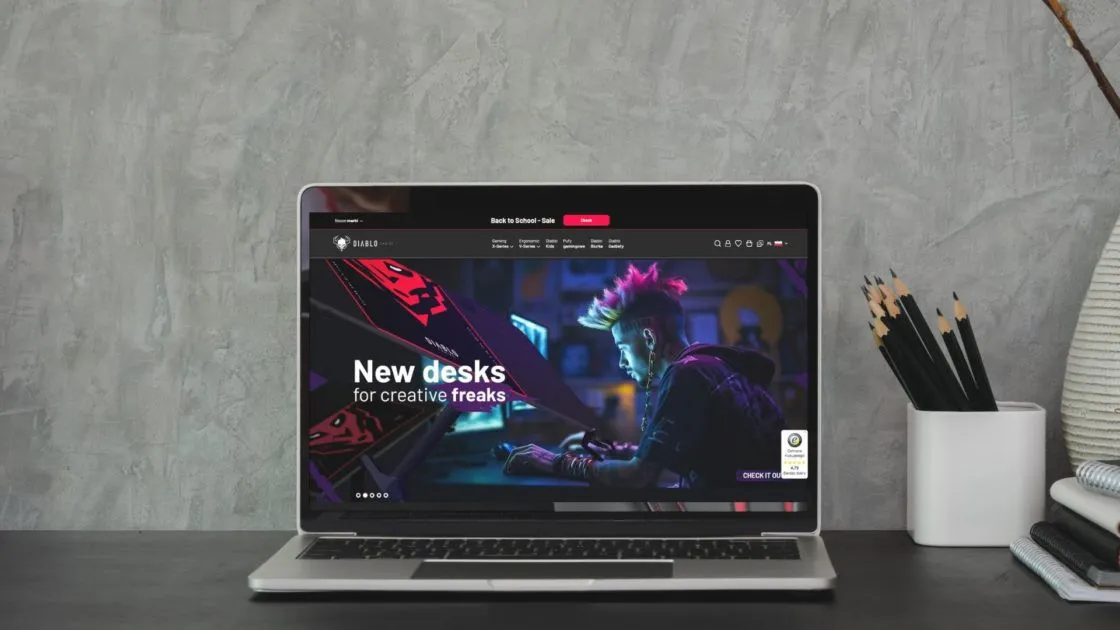
E‑commerce implementation
A Magento 2 platform prepared for several brands and for sales in new markets. The detailed scope and results are described in the full case study.
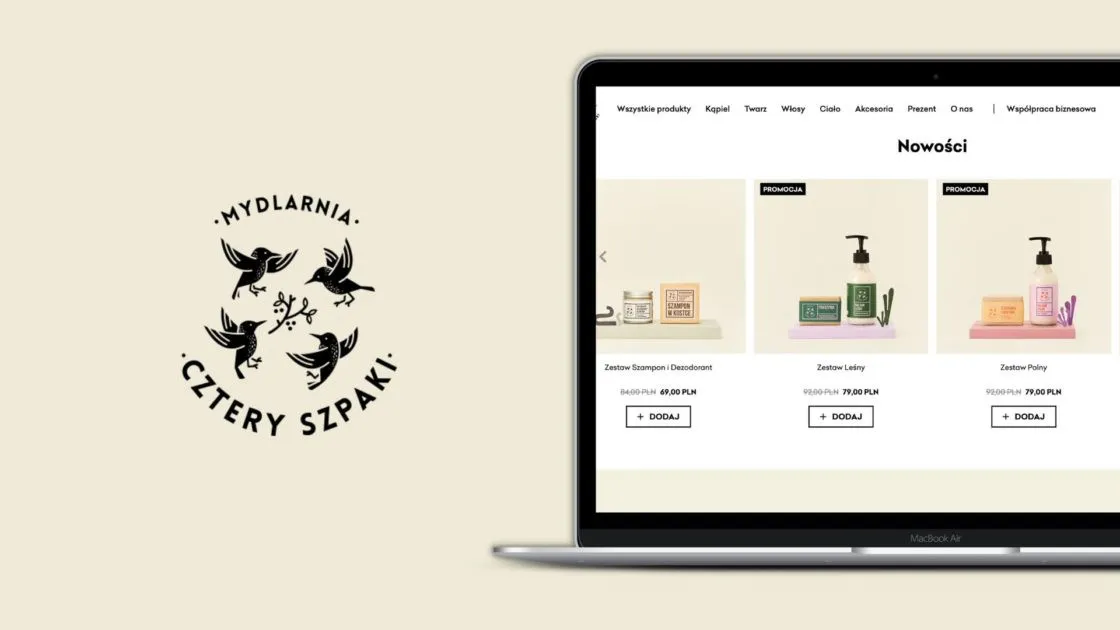
E‑commerce implementation and growth
Two separate case studies cover the launch of the store and the later development work.
See the 4szpaki implementation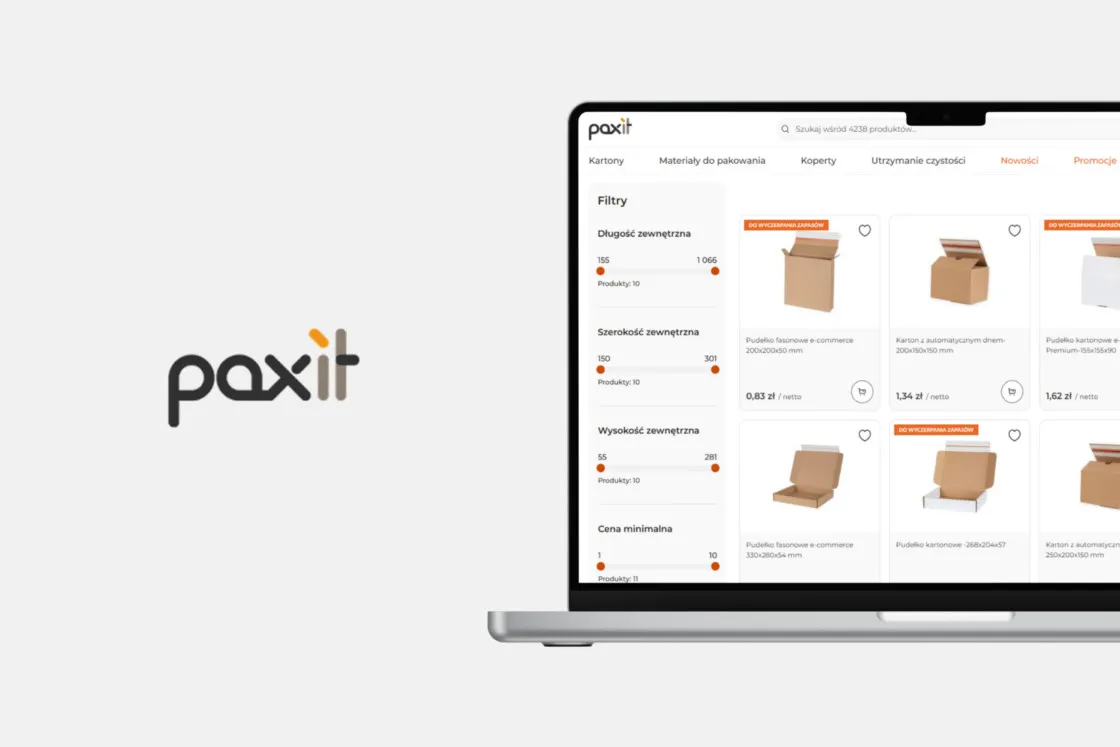
Magento 2 implementation
The case study describes the starting situation, the decision to rebuild and the scope of the build.
See the Paxit implementationAn e‑commerce project brings together the needs of the board, sales, marketing, logistics and IT. On the partner's side it takes people answerable for running the work, for technical decisions, for development and for quality control.
The full description of the team, the company's history and the way we work together is on the About page.
Register data, contact details and official profiles in one place. The footer, the contact page and the Organization structured data state exactly the same values.
Company data last verified:
Projects, opinions, talks and expert material each have their own source. Each answers a different question about Aurora Creation.
See the context of each project, the scope of responsibility, the decisions taken and the confirmed results.
Go to case studies


Read client opinions attached to named companies and projects.
Go to referencesCheck the conferences, webinars, events and talks the team takes part in.
See eventsGo to articles and material on Magento 2, e‑commerce, technology and implementation decisions.
Go to knowledgeShort answers about the company, the scope of work and the technologies. The details are on the service pages and in the case studies.
Go to contactAurora Creation designs, builds, takes over, maintains and grows e‑commerce platforms. The scope also covers migrations, audits and integrations between the store and business systems.
Aurora Creation works mainly with manufacturers, private-label brands and companies for which e‑commerce is an important revenue channel. Projects may cover D2C, B2C and B2B sales, several markets and extensive integrations.
Yes. A takeover should start with a review of the code, the architecture, the integrations, the environments and the documentation. The scope of further work depends on the state of the platform and the risks found during that analysis — for instance as store completion on Magento 2.
Yes. The partnership may cover stabilising the platform, maintenance, monitoring, updates, fixing problems and delivering an agreed growth backlog — under AURORA CARE and AURORA EVOLUTION.
Aurora Creation Sp. z o.o. has its registered office at ul. Jana Henryka Dąbrowskiego 28 in Białystok, Poland.
The projects are described under Case studies. Client opinions are on the References page, attached to named companies and projects.
Send us the address of your current store, or briefly describe the project you are planning. The first conversation should establish whether what you need is an analysis, an audit, an implementation, a migration or a takeover of an existing platform.