




Knowledge that makes decisions about growing e‑commerce easier
Our material helps you assess a platform, prepare an implementation or a migration, and plan how the store grows next.
Aurora Creation prepares this material for manufacturers, brands and the teams growing B2C, B2B and D2C sales.
- 01Magento Knowledge CentreMaterial from the ground up: concepts, architecture, capabilities and limits of the platform.
- 02Magento 2 DemoA working store and its admin panel, both reset every few hours.
- 03BlogAnalyses of specific problems: migrations, integrations, maintenance and growth.
Pick the format that suits your situation
Each format helps at a different stage. You can put the basics of the platform in order, look inside a working Magento 2, or go straight to the analysis of one specific problem.
Ordered material
Magento Knowledge Centre
Material from the ground up, explaining the concepts, the architecture, and what Magento 2 can and cannot do. It helps you prepare for a conversation about an implementation, a migration or further growth.
Go to the knowledge centreTool
Magento 2 Demo
See the scope of Magento 2 we make available before a conversation about an implementation or a migration. The demo helps you collect questions about running the platform and your team's daily work.
See the Magento 2 demo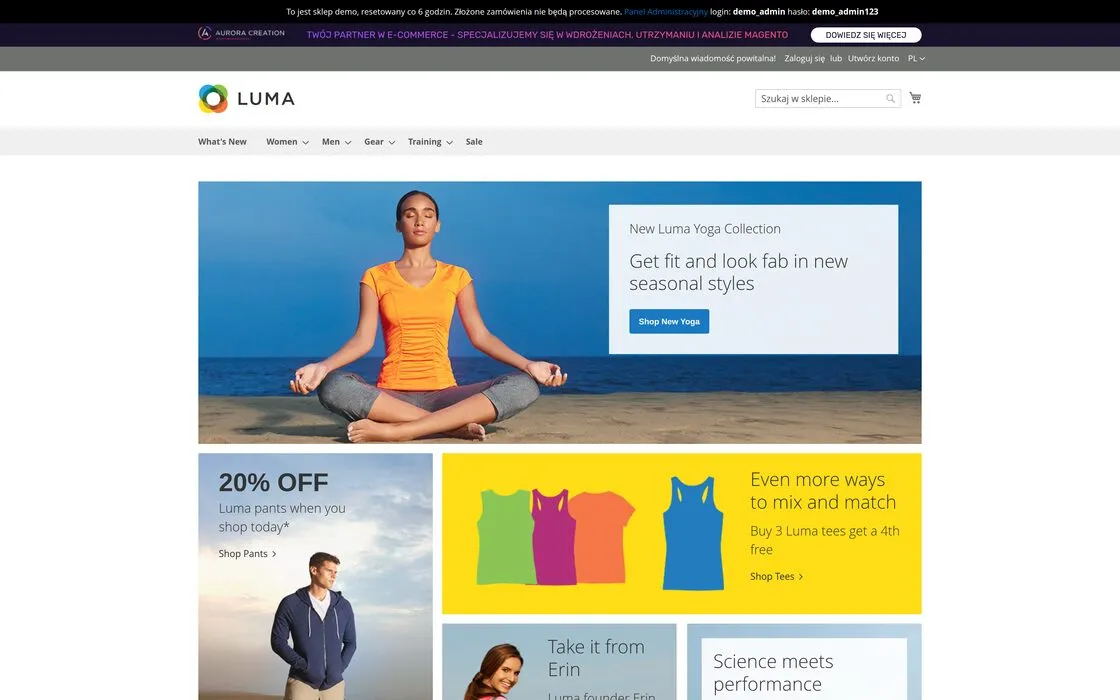
Articles
Blog
Analyses of e‑commerce projects, migrations, integrations, maintenance, how the collaboration is organised and how platforms grow. Start here when you are after one specific problem.
See the articles (opens in a new tab)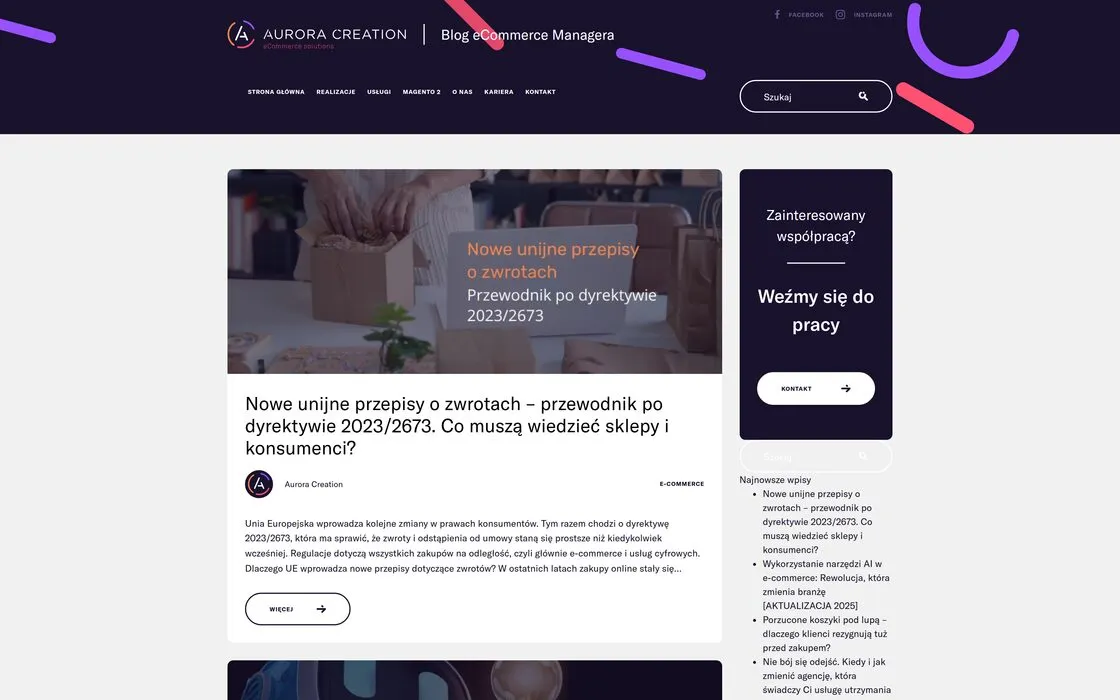
Magento 2 – what it is and what it is for
The first piece in the knowledge centre puts the basics in order: what Magento 2 is, how the platform works, and the situations where what it can do matches the requirements of a growing e‑commerce operation.
The article is written for people who want to understand Magento 2 before a conversation about scope, cost or project architecture. It explains the concepts without assuming any programming background.
In the article
- 01What is Magento 2?
- 02From installation to a working store
- 03The platform's main features
- 04Standard, module or custom code
- 05The technical state of an existing store
- 06Which e‑commerce does Magento 2 suit?
- 07B2C, B2B and D2C
- 08When a simpler platform wins
- 09How do the Magento 2 editions differ?
- 10What can Magento 2 integrate with?
- 11Is Magento free, and what does it cost?
- 12Magento 2 or Shopify?
- 13Magento 2 in practice: the demo
- 14Magento in a company's architecture
- 15Checklist before implementation
- 16Magento and company size
- 17Diagnosis before a migration
How a technology is judged depends on the e‑commerce architecture
The sales model, the number of markets, the integrations and the way the team works all bear on how a platform is judged. Go to the technology you use, or the one you are considering.
See how the decisions translate into specific projects
Case studies show the scope of work, the decision points and how the problem was solved on one specific project. Detailed results appear only where the team and the client have confirmed them.
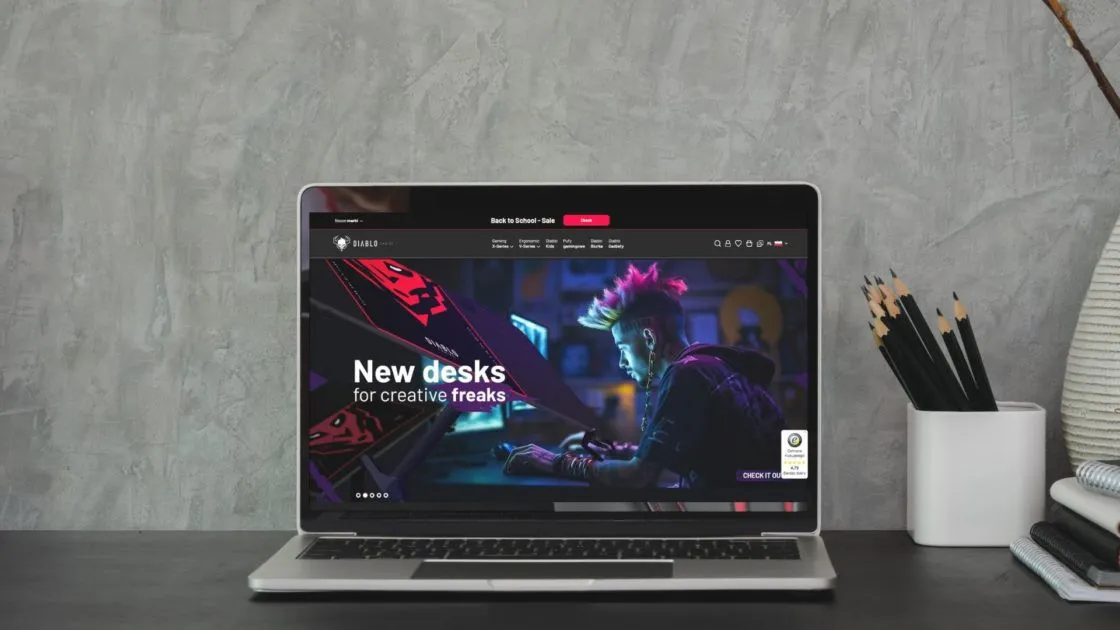
Implementation
One platform, many markets
A single Magento 2 instance runs cross‑border sales, separate brand sites and a shared checkout across new markets.
See the Diablo Chairs case study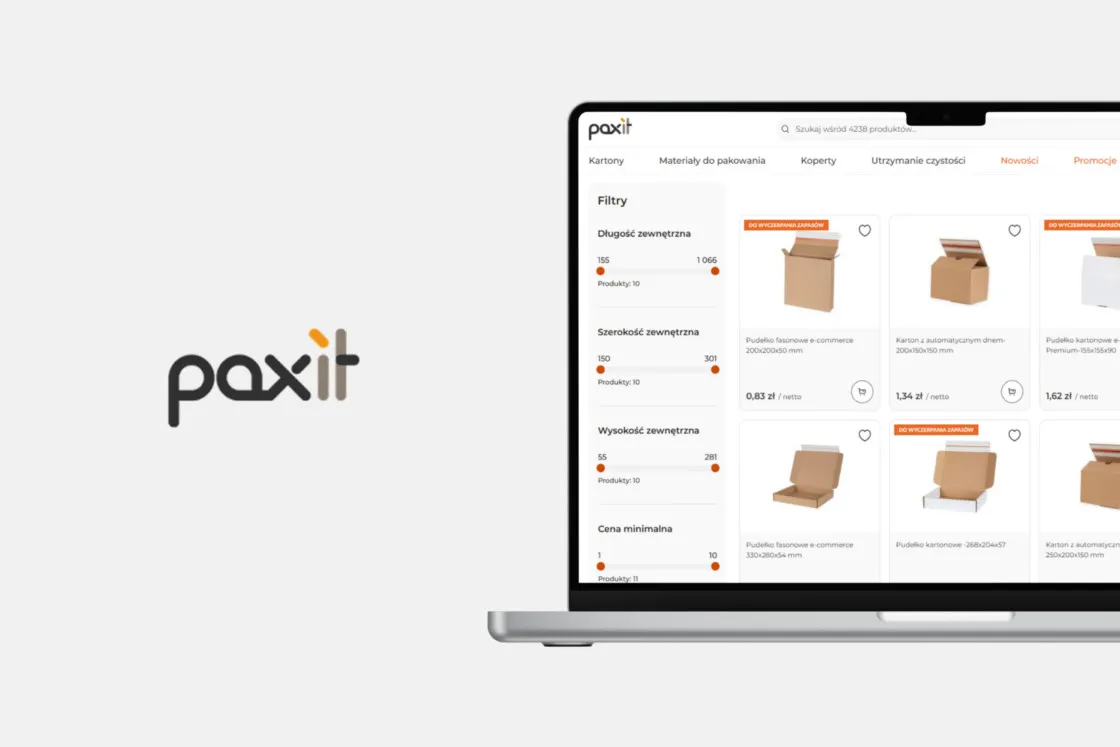
Implementation
Paxit: a new Magento 2 platform for B2B and B2C sales
An enquiry about care of the store as found, a diagnosis of its limits, and a new platform for a packaging manufacturer.
See the Paxit case study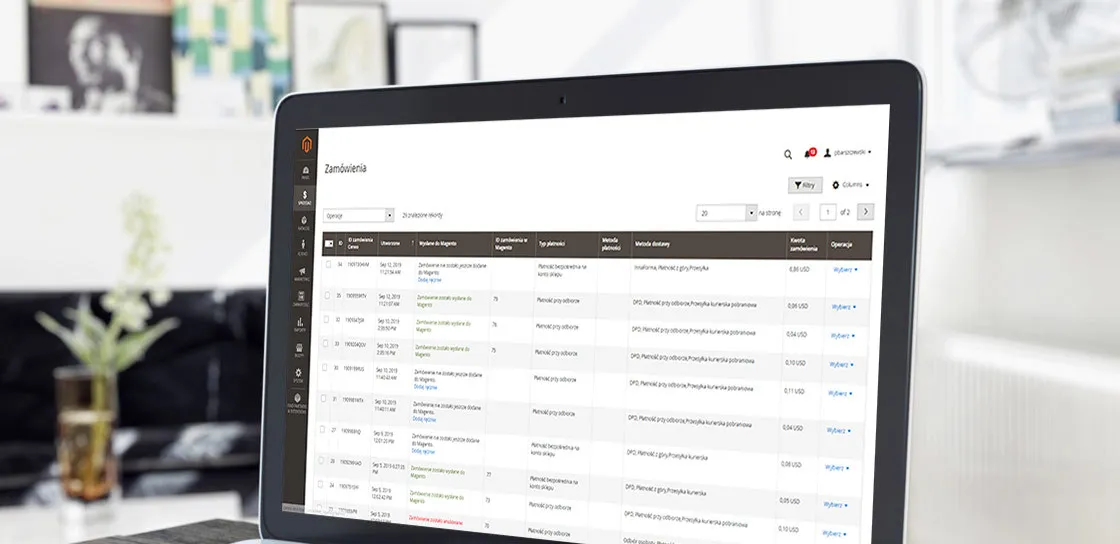
Module
A Ceneo integration module for Magento 2
Three data flows in one project: orders pulled into the store's admin, an XML product feed with category mapping, and a reviews programme tied to a consent from the purchase path.
See the Ceneo case studyHow to use the Knowledge section
Each of the three areas answers a different question, and each has a different boundary.
Material in the knowledge centre carries its author and the date it was last verified. Both sit above the text of the article, so you see them before reading rather than in a footer.
Go to the Magento Knowledge CentreThe knowledge centre has an ordered structure and concentrates on material about Magento 2 that stays valid over time. The blog (opens in a new tab) covers narrower analyses, current project problems, commentary, and subjects across different technologies and areas of e‑commerce.
The Magento 2 demo is for people preparing an implementation or a migration who want to see the scope of the platform we make available and collect their questions before talking to a technical team.
No. An article explains the usual dependencies and helps you prepare the questions. The scope of one specific project depends on the data, the integrations, the customisations, the infrastructure and the split of responsibility — and that is the job of a pre-implementation analysis.
The full split of the work is on the Services page. From there you can go to Magento 2, Shopify, Pimcore and the pages that answer specific needs.
Every article shows its publication date and, where it has been revised, the date of the last update. Technical material also names the author or the person accountable for reviewing it.
Need to translate this into your own e‑commerce?
The scope of a project depends on the data, the integrations, the bespoke modifications, the infrastructure and the way the team works. In a conversation we will put the current situation in order and point out the areas that need further analysis.